Search
Botvin LifeSkills Training Transitions
PROGRAM OVERVIEWPRICE
LIST
PROGRAM
COMPONENTS
PROGRAM
STRUCTURE
PROGRAM
LEARNING
OBJECTIVES
PROGRAM
OVERVIEW
The Botvin LifeSkills Training Transitions program is a highly interactive, skills-based curriculum designed to promote positive mental health and personal development. This program helps young adults navigate the transition into the workforce and/or higher education. LST Transitions helps participants achieve competency in the skills that not only are key to success but also have been found to reduce and prevent substance use and violence.
The LifeSkills Training Transitions program uses a developmentally appropriate, integrated approach designed to strengthen abilities in the following areas:Personal Self-Management SkillsProvides participants with strategies for decision-making, managing stress, and managing time and money.General Social SkillsEnables participants to strengthen their communication skills and build and maintain relationships in a variety of settings.Empowers participants to understand the consequences of substance use and risk-taking.Drug Resistance SkillsPRICE
LIST
PROGRAM
COMPONENTS
PROGRAM
STRUCTURE
PROGRAM
LEARNING
OBJECTIVES
PROGRAM
OVERVIEW
PROGRAM LEARNING OBJECTIVES
Ages 16+Consists of 6 sessionsApproximately 40-45 minutes each sessionTaught either as on an intensive schedule (two to three times a week) until the program is complete, or on a more extended schedule (once a week for 6 weeks)Can be used alone or in combination with the LifeSkills Training High School programPROGRAM STRUCTUREPRICE
LIST
PROGRAM
COMPONENTS
PROGRAM
STRUCTURE
PROGRAM
LEARNING
OBJECTIVES
PROGRAM
OVERVIEW
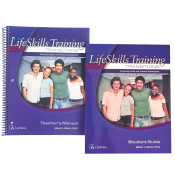
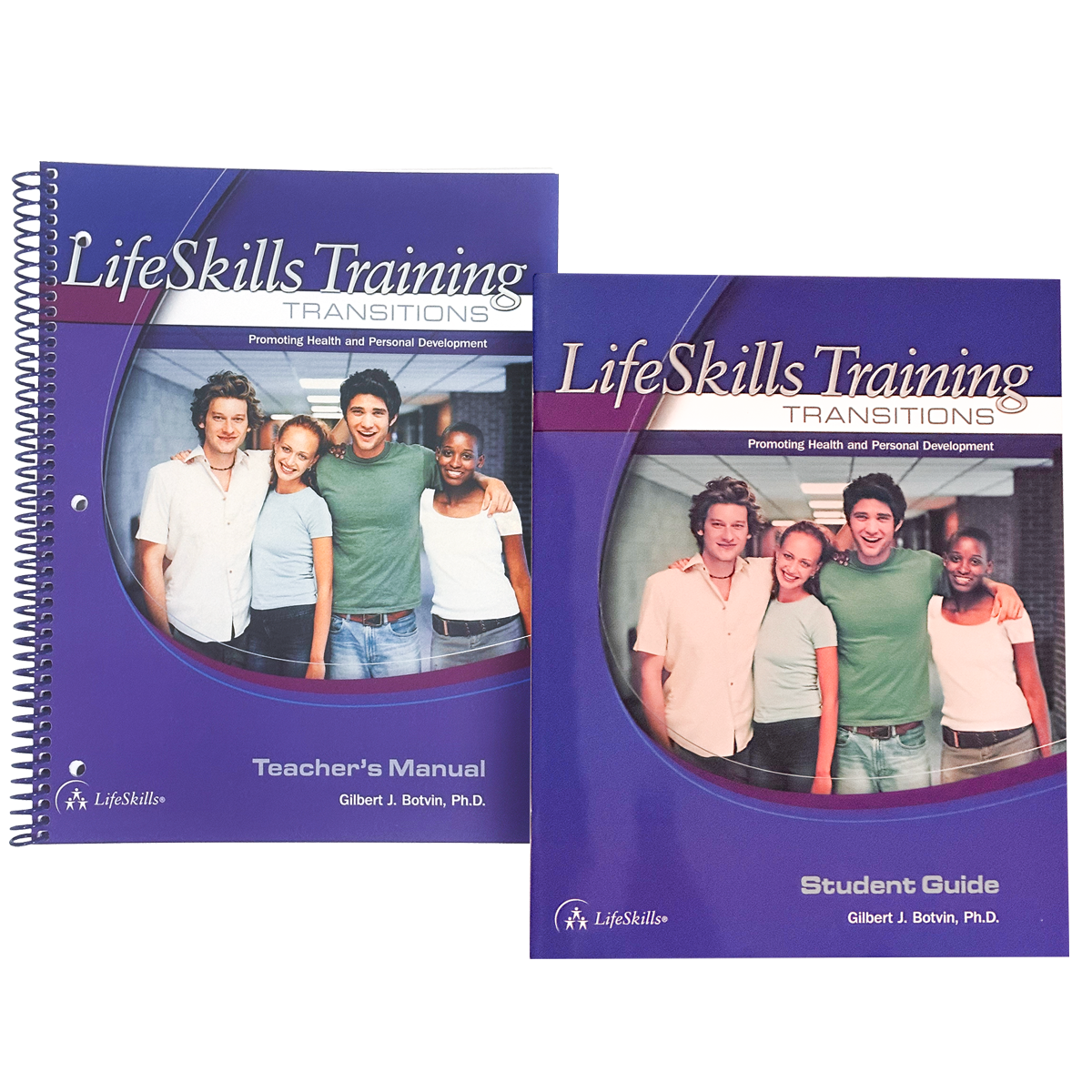
PROGRAM COMPONENTSComprehensive, easy-to-use Teacher’s ManualStudent GuidePRICE
LIST
PROGRAM
COMPONENTS
PROGRAM
STRUCTURE
PROGRAM
LEARNING
OBJECTIVES
PROGRAM
OVERVIEW
Request a Free Sample Lesson
PROGRAM OVERVIEWPRICE
LIST
PROGRAM
COMPONENTS
PROGRAM
STRUCTURE
PROGRAM LEARNING
OBJECTIVES
PROGRAM
OVERVIEW
The Botvin LifeSkills Training Transitions program is a highly interactive, skills-based curriculum designed to promote positive mental health and personal development. This program helps young adults navigate the transition into the workforce and/or higher education. LST Transitions helps participants achieve competency in the skills that not only are key to success but also have been found to reduce and prevent substance use and violence.
The LifeSkills Training Transitions program uses a developmentally appropriate, integrated approach designed to strengthen abilities in the following areas:Personal Self-Management SkillsProvides participants with strategies for decision-making, managing stress, and managing time and money.General Social SkillsEnables participants to strengthen their communication skills and build and maintain relationships in a variety of settings.Empowers participants to understand the consequences of substance use and risk-taking.Drug Resistance SkillsPRICE
LIST
PROGRAM
COMPONENTS
PROGRAM
STRUCTURE
PROGRAM LEARNING
OBJECTIVES
PROGRAM
OVERVIEW
PROGRAM LEARNING OBJECTIVES
Ages 16+Consists of 6 sessionsApproximately 40-45 minutes each sessionTaught either as on an intensive schedule (two to three times a week) until the program is complete, or on a more extended schedule (once a week for 6 weeks)Can be used alone or in combination with the LifeSkills Training High School programPROGRAM STRUCTUREPRICE
LIST
PROGRAM
COMPONENTS
PROGRAM
STRUCTURE
PROGRAM LEARNING
OBJECTIVES
PROGRAM
OVERVIEW
PROGRAM COMPONENTSComprehensive, easy-to-use Teacher’s ManualStudent GuidePRICE
LIST
PROGRAM
COMPONENTS
PROGRAM
STRUCTURE
PROGRAM LEARNING
OBJECTIVES
PROGRAM
OVERVIEW
Request a Free Sample Lesson
Training Services

One-day Foundation Training Workshop (online or in-person)

Training of Trainers (TOT) Workshop (materials included)

When Effectiveness and Quality Count
  Botvin LifeSkills Training is the only choice.

Explore LifeSkills Training E-learning Programs

e-LST’s innovative approach allows teachers to have a virtual team-teacher.

Explore LifeSkills Training Programs

Experience and research now tell us that drug- and alcohol-prevention programs centered on abstinence messages and scare tactics don’t work. So, what does?