Search
LifeSkills Training Middle School Program
PRICE
LIST
PROGRAM
COMPONENTS
PROGRAM
STRUCTURE
PROGRAM
LEARNING
OBJECTIVES
PROGRAM
OVERVIEW
PROGRAM OVERVIEWThe Botvin LifeSkills Training Middle School program is a groundbreaking substance abuse and violence prevention program based on more than 35 years of rigorous scientific research. Proven to be the most effective evidence-based program used in schools today, LifeSkills Training is comprehensive, dynamic, and developmentally designed to promote mental health and positive youth development. In addition to helping kids resist drug, alcohol, and tobacco use, the LifeSkills Training Middle School program also effectively supports the reduction of violence and other high-risk behaviors.

This program is aligned to the National Health Education standards and to CASEL’s social and emotional learning (SEL) competencies. To view all LST alignments, click here.
Personal Self-Management SkillsStudents develop skills that help them enhance self-esteem, develop problem-solving abilities, reduce stress and anxiety, and manage anger for better mental health.General Social SkillsStudents gain skills to meet personal challenges such as overcoming shyness, communicating clearly, building relationships, and avoiding violence.Students build effective defenses against pressures to use tobacco, alcohol, and other drugs.Drug Resistance SkillsPROGRAM
OVERVIEW
PROGRAM
LEARNING
OBJECTIVES
PROGRAM
STRUCTURE
PROGRAM
COMPONENTS
PRICE
LIST
Grades 6 through 945 – 50 minute class sessionsTaught either on an intensive schedule (two to three times a week) until the program is complete, or on a more extended schedule (once a week)The program is designed to be taught in sequence over three years in middle school or junior high. The curriculum is intended to be taught sequentially to build on skills learned in the previous levels. Any students taking the program for the first time should receive level 1, followed by booster sessions (levels 2 and 3).Foundation Level 1 (ideally implemented in grades 6/7): 15 class sessions (includes 3 optional violence prevention lessons)Booster Level 2 (only implemented after level 1): 10 class sessions (includes 2 optional violence prevention lessons)Booster Level 3 (only implemented after level 2): 5 class sessions (includes 4 optional violence prevention lessons)PROGRAM STRUCTUREPROGRAM
OVERVIEW
PROGRAM
LEARNING
OBJECTIVES
PROGRAM
STRUCTURE
PROGRAM
COMPONENTS
PRICE
LIST
Free Sample Lesson
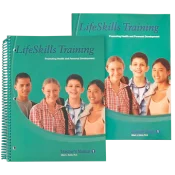
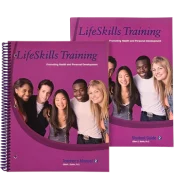
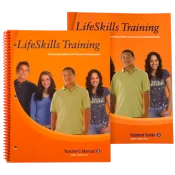
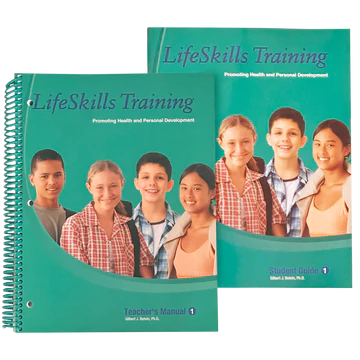
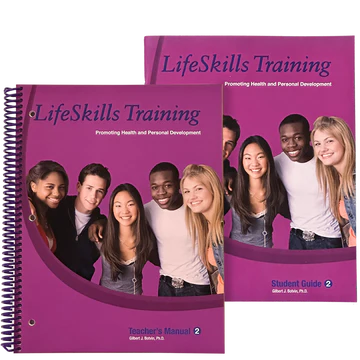
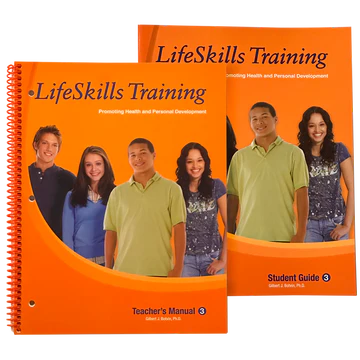
PROGRAM COMPONENTSEach level includes the following materials:Comprehensive, easy-to-use Teacher’s ManualStudent GuideStress Management Techniques Audio – Streaming OnlySmoking and Biofeedback Video – Streaming OnlyDigital Support SlidesAccess to Botvin Health Connections: E-cigarettes and Vaping Resource (register here)Free Companion WebsitePROGRAM
OVERVIEW
PROGRAM
LEARNING
OBJECTIVES
PROGRAM
STRUCTURE
PROGRAM
COMPONENTS
PRICE
LIST
PRICE
LIST
PROGRAM OVERVIEWThe Botvin LifeSkills Training Middle School program is a groundbreaking substance abuse and violence prevention program based on more than 35 years of rigorous scientific research. Proven to be the most effective evidence-based program used in schools today, LifeSkills Training is comprehensive, dynamic, and developmentally designed to promote mental health and positive youth development. In addition to helping kids resist drug, alcohol, and tobacco use, the LifeSkills Training Middle School program also effectively supports the reduction of violence and other high-risk behaviors.

This program is aligned to the National Health Education standards and to CASEL’s social and emotional learning (SEL) competencies. To view all LST alignments, click here.
PRICE
LIST
PROGRAM
COMPONENTS
PROGRAM
STRUCTURE
PROGRAM LEARNING
OBJECTIVES
PROGRAM
OVERVIEW
Personal Self-Management SkillsStudents develop skills that help them enhance self-esteem, develop problem-solving abilities, reduce stress and anxiety, and manage anger for better mental health.PROGRAM LEARNING OBJECTIVESGeneral Social SkillsStudents gain skills to meet personal challenges such as overcoming shyness, communicating clearly, building relationships, and avoiding violence.Students build effective defenses against pressures to use tobacco, alcohol, and other drugs.Drug Resistance SkillsPRICE
LIST
PROGRAM
COMPONENTS
PROGRAM
STRUCTURE
PROGRAM LEARNING
OBJECTIVES
PROGRAM
OVERVIEW
Grades 6 through 945 – 50 minute class sessionsTaught either on an intensive schedule (two to three times a week) until the program is complete, or on a more extended schedule (once a week)The program is designed to be taught in sequence over three years in middle school or junior high. The curriculum is intended to be taught sequentially to build on skills learned in the previous levels. Any students taking the program for the first time should receive level 1, followed by booster sessions (levels 2 and 3).Foundation Level 1 (ideally implemented in grades 6/7): 15 class sessions (includes 3 optional violence prevention lessons)Booster Level 2 (only implemented after level 1): 10 class sessions (includes 2 optional violence prevention lessons)Booster Level 3 (only implemented after level 2): 5 class sessions (includes 4 optional violence prevention lessons)PROGRAM STRUCTUREFree Sample LessonPRICE
LIST
PROGRAM
COMPONENTS
PROGRAM
STRUCTURE
PROGRAM LEARNING
OBJECTIVES
PROGRAM
OVERVIEW
PROGRAM COMPONENTSEach level includes the following materials:Comprehensive, easy-to-use Teacher’s ManualStudent GuideStress Management Techniques Audio – Streaming OnlySmoking and Biofeedback Video –
 Streaming Only
Digital Support SlidesAccess to Botvin Health Connections: E-cigarettes and Vaping Resource (register here)Free Companion WebsitePRICE
LIST
PROGRAM
COMPONENTS
PROGRAM
STRUCTURE
PROGRAM LEARNING
OBJECTIVES
PROGRAM
OVERVIEW
Training Services

One-day Foundation Training Workshop (online or in-person)

Training of Trainers (TOT) Workshop (materials included)

When effectiveness and quality count

  Botvin LifeSkills Training is the only choice.

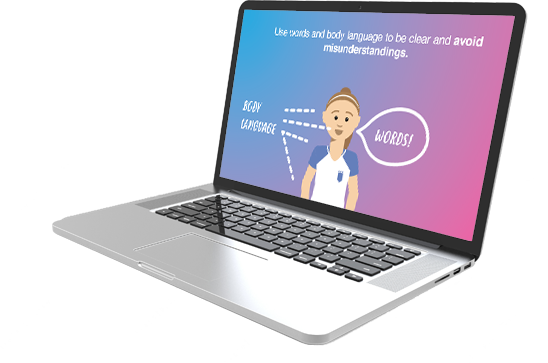
Explore LifeSkills Training E-learning Programs

e-LST’s innovative approach allows teachers to have a virtual team-teacher.

Explore LifeSkills Training Programs

Experience and research now tell us that drug- and alcohol-prevention programs centered on abstinence messages and scare tactics don’t work. So, what does?